There’s more to wine tasting than simply taking a sip of your wine. It’s an intentional practice that requires the inclusion of not just one, but three senses: sight, smell, and taste. To get the most out of your wine tasting experience, keep the 5 S’s of tasting wine in mind. By following these 5 steps, you are sure to enjoy every nuanced drop of wine exactly how the winemakers intended.
5 S’s in Wine Tasting
See
This step helps you determine the age of the wine and how well it’s made. With the wine already in your glass, hold it up against a piece of white paper or table cloth so it’s against a clean backdrop. Examine the color of the rim, around the edges where the wine meets the glass.
Determining the Quality of Wine
- A clear wine indicates a quality creation where the wine has gone through a filtration process.
- A cloudy wine might suggest a fault in the wine or that it is an unfiltered, natural wine.
Determining the Age of Wine
- For a red wine: if the hue is bright red, purple, or ruby, it’s a younger wine.
- For a white wine: if the hue is garnet or brownish, it’s an older wine.
Swirl
Swirling the wine allows you to access two things: the viscosity (thickness of the wine) and the aroma.
Viscosity
- When you swirl the wine, observe the drips on the side of the glass. In the wine-drinking world, these drips are called “legs” or “tears”. They indicate the strength of alcohol in the wine. If the drips are closer together, this means it’s a high viscosity wine and has a higher alcohol content.
Aroma
- By swirling the wine, you help aerate it and release its aromas. The swirling introduces more oxygen to the wine, which stirs the molecules in the wine and enhances the wine’s aromas. The more you swirl, the more flavors and aromas will be released. The process of introducing more oxygen to the wine is called ‘aerating’. This is most easily done by holding the base of the wine glass on a flat surface and moving it in a circular motion.
Sniff
After aerating the wine through swirling, take a handful of short sniffs of it. This is better than doing one long inhale. It keeps your nose from becoming desensitized to the nuanced aromas. Much like sniffing perfume, you’re looking for three layers in the scent of wine.
- Primary – Indicate the type of grape or growing site of the wine. Should be fruity, floral, or even herbaceous.
- Secondary – Indicate wine-making and fermentation choices. You’ll get whiffs of oak, vanilla, spice, tobacco, or dried aromatics.
- Tertiary – Indicate barrel or bottle aging process. For barrel aged, you’ll get notes of nuts, wood, coffee, or even cocoa. For bottle aged, it might smell like the forest floor, leather, tobacco, dried fruits, nuts, and mushrooms.
Smelling the wine is a step most people overlook. Determining the aroma helps us better understand the character and identity of the wine.
Sip
After taking a sip of the wine, allow it to coat your entire tongue to expose your taste buds to the entirety of the wine’s flavor and texture. This is where you can determine the mouthfeel of the wine: the physical texture of the wine creates in your mouth, if it’s thin and crisp or rich and heavy. During this step, you can evaluate the wine’s body, acidity, tannins, and sweetness. Together, this allows you to decide if you like the wine.
Savor
After enjoying some sips and sniffing the wine, consider whether or not you like the wine. Your preference ultimately dictates what you find enjoyable. At the end of the day, it doesn’t matter how expensive something is or how long it’s been aged if you don’t enjoy the flavors and scent.
Experience Impeccable Wines at the Royal Cliff Hotels
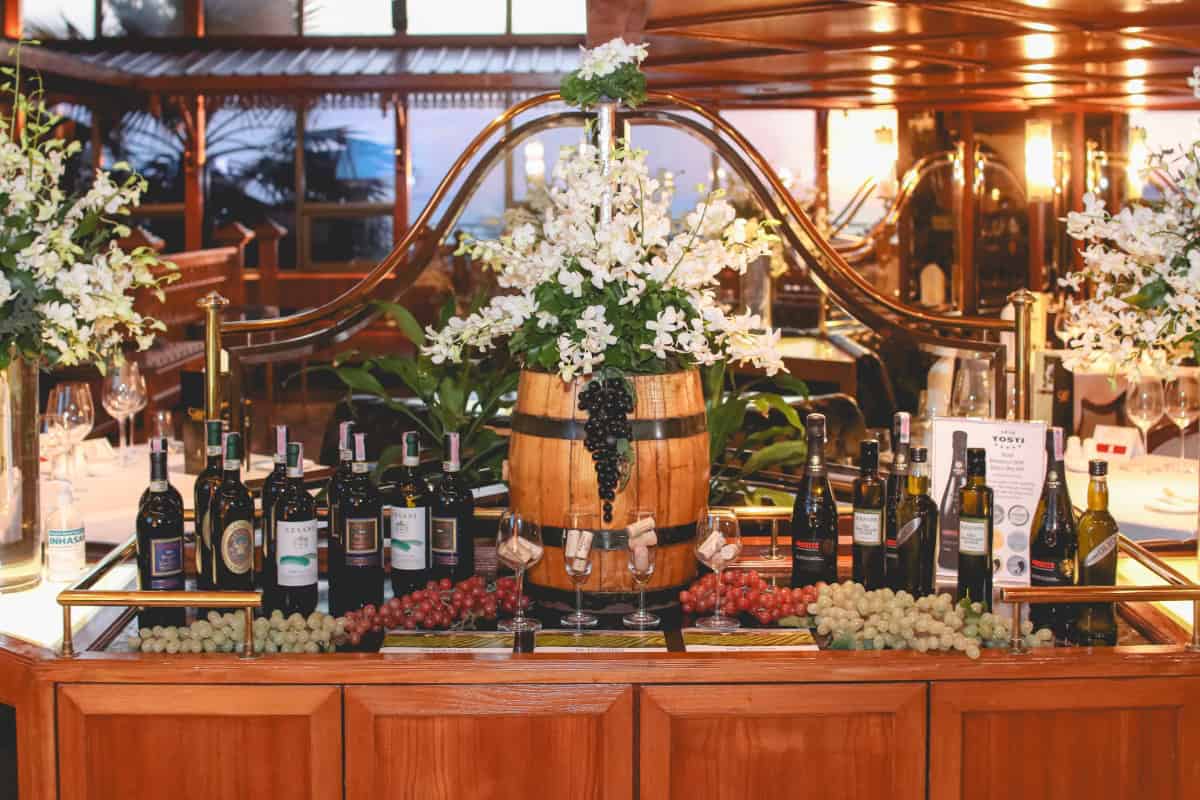
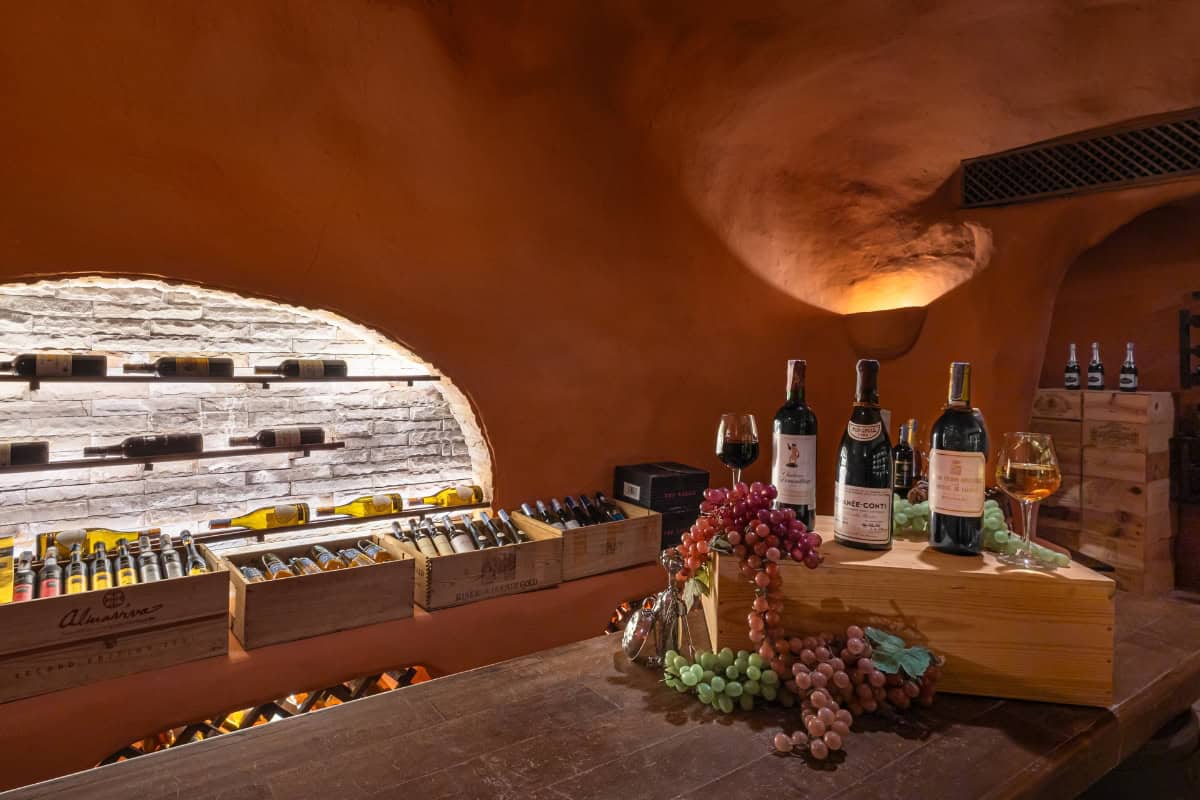
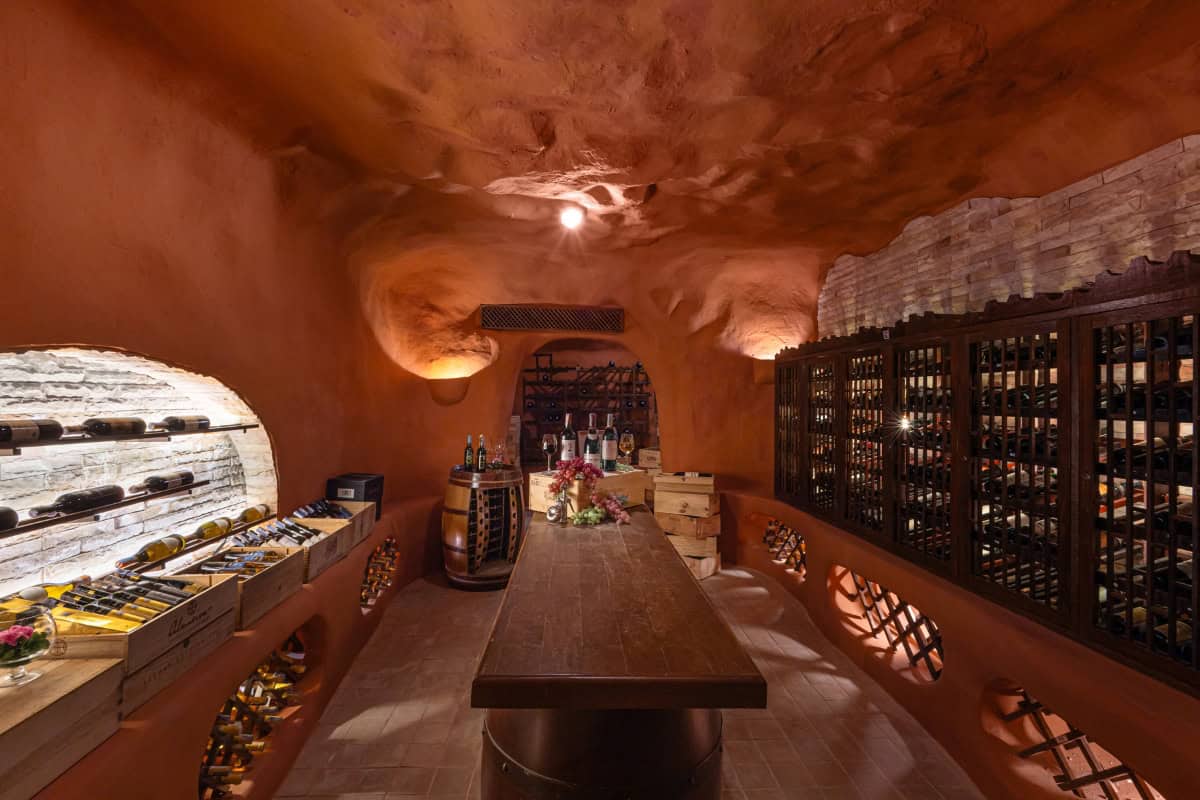
The Royal Cliff Beach Hotel is home to the Royal Grill Room and Wine Cellar. Other than being a Chaîne des Rôtisseurs-accredited venue, it’s also home to Thailand’s only underground wine cavern that’s home to over 1,000 New and Old-World wines. With an in-house sommelier at the ready, you can enjoy pre-dinner wine tasting and canapés here before ascending to the opulent dining room where you can enjoy imported meats and seafood good to perfection. To enjoy a variety of nuanced wines and mouthwatering gourmet meals, make a reservation at the Royal Grill Room by calling (+66) 38 250421 ext. 2037 or sending us an email at relax@royalcliff.com.
Ask Our Expert: Insights into the Culinary World
What should someone be looking for when they smell a wine before drinking it?
You should pay attention to the intensity and character of the wine’s aroma such as notes of fruit, flowers, spices, or wood to help you better understand the style and personality of the wine.
Do you need an expensive wine to practice tasting properly?
Not at all. An affordable bottle works just as well for developing your palate. That said, occasionally trying a higher-priced wine can help you notice finer distinctions and appreciate the nuances of wine more deeply.
If someone says they can’t taste much when drinking wine, what advice would you give them?
Start by sipping slowly and taking time to really engage with the flavours. Try comparing different styles of wine side by side. This will help you become more aware of the details and differences in taste.
How do you know when a wine is bad versus when it’s just not to your taste?
A spoiled wine usually has clearly abnormal aromas such as an overpowering sourness or off-notes. They are distinctly different from what the wine’s natural character should be.
What’s your favourite wine to drink when you just want to relax and enjoy?
Personally, I prefer wines with a well-balanced flavour profile such as a Burgundy or a Bordeaux.
For people who don’t drink wine or are trying it for the first time, what bottle would you recommend?
For beginners, I recommend wines that are easy to drink, not overly complex, and have clear fruit aromas. For example:
- New Zealand: Sauvignon Blanc or Pinot Noir
- Australia: Penfolds Chardonnay or Penfolds Koonunga Hill Shiraz
- France: Sancerre (Loire Valley), Red Bordeaux, and Shiraz (northern Rhône Valley).
- Germany: Riesling (has a wonderful combination of peach, apple, and floral aromas).